

Essential Grooming Tools for Bengal Cats

In order to groom Bengal Cats properly, you’ll need to have the following tools:
| Grooming Tool | Description |
|---|---|
| Slicker brush | Gets rid of stray hairs, detangles minor knots, and preserves a glossy coat |
| Grooming gloves | Gently removes loose hair while providing a relaxing massage |
| Nail clippers | Trims your cat’s nails carefully to hinder overgrowth and reduce the risk of injuries |
| Ear cleaner | Ear cleaning solutions effectively eliminate unpleasant odors in your cat’s ears by removing wax, debris, and bacteria, thus maintaining cleanliness and promoting overall ear health. |
| Cotton balls | Effectively absorb and remove dirt, debris, and excess earwax from the cat’s ears, contributing to better overall ear health and reducing the risk of infections |
| Toothbrush | Regular toothbrushing keeps your cat’s mouth clean and reduces the buildup of odor-causing bacteria, resulting in fresher breath |
| Toothpaste | Cat toothpaste contains ingredients that combat bad breath, leaving your cat with a fresher, more pleasant mouth odor |
| Shampoo | Cat shampoos effectively eliminate dirt, grime, and oils from your cat’s coat, while also neutralizing any unpleasant odors, leaving your cat’s fur clean, soft, and fresh-smelling |
Let’s begin grooming our cats!
Step-by-Step Guide to Grooming Your Bengal Cat
Brushing Your Cat
- Frequency: Brush your Bengal once or twice a week
- Technique: Use the slicker brush or grooming mitt and brush in the direction of hair growth.
- Use a deshedding tool to remove loose hair and minimize shedding.
Bathing your Bengal Cat
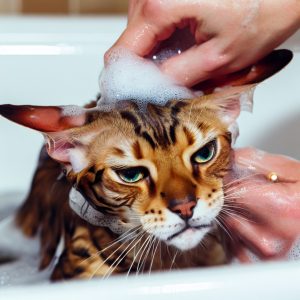
Bengal cats have a short, dense coat that doesn’t require frequent bathing. However, if your Bengal gets into something dirty or smelly, you can give them a bath.
Start by brushing their coat to remove any loose hair and tangles.
Then, fill a sink or tub with warm water and add a small amount of cat shampoo.
Gently wet your Bengal’s coat and lather up the shampoo, being careful not to get any in their eyes or ears.
Rinse thoroughly and wrap your Bengal in a towel to dry them off. Bengals are known for their love of water, so they may even enjoy the bath!
How Often Should I Bathe My Bengal Cat?
You should bathe your Bengal cat every 4-6 weeks to maintain their coat’s natural oils and prevent skin irritation.
How to Trim the Nails of a Bengal Cat
- Start by getting your Bengal cat comfortable with having their paws touched. Gently massage their paws and reward them with treats.
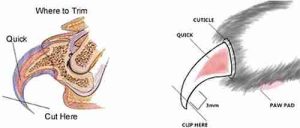
- Use a pair of sharp, cat-specific nail clippers to trim the tips of their nails. Avoid cutting too close to the quick, which is the pink part of the nail that contains blood vessels and nerves.
- If your Bengal cat has clear nails, you can see the quick and avoid cutting it. If their nails are dark, use caution and only trim a small amount at a time.
- If your Bengal cat is resistant to having their nails trimmed, try wrapping them in a towel or having a second person hold them gently.
- Trim your Bengal cat’s nails every 2-4 weeks to prevent them from becoming too long and causing discomfort or damage to furniture or carpet.
Remember, regular nail trimming is an important part of your Bengal cat’s grooming routine and can help keep them healthy and happy.
How to Clean the Ears of a Bengal Cat

- Gather your supplies: cotton balls or pads, ear cleaning solution (make sure it’s safe for cats), and a towel.
- Approach your Bengal calmly and gently. If they seem nervous or agitated, take a break and try again later.
- Hold your Bengal securely but gently, and lift one ear flap to expose the ear canal.
- Squeeze a few drops of the ear cleaning solution into the ear canal. Be careful not to insert the dropper too far into the ear.
- Massage the base of the ear for a few seconds to help the solution work its way into the ear canal.
- Use a cotton ball or pad to gently wipe away any excess solution and debris from the ear flap and surrounding area.
- Repeat on the other ear.
- Watch out for any signs of discomfort or pain, such as your Bengal pulling away or vocalizing. If you notice anything unusual, stop immediately and consult your veterinarian.
- Reward your Bengal with a treat or some extra cuddles to make the experience positive.
Remember, regular ear cleaning is important for all cats, but especially for breeds like Bengals that are prone to ear infections. Aim to clean your Bengal’s ears once a week, or as recommended by your veterinarian.
Bengal Cats Dental Hygiene
- – Start by getting your Bengal cat used to having their mouth touched. Gently lift their lip and touch their teeth with your finger.
- Once your cat is comfortable with this, introduce them to a toothbrush. Use a soft-bristled toothbrush designed for cats and a toothpaste made specifically for cats.
- Apply a small amount of toothpaste to the toothbrush and gently brush your cat’s teeth in a circular motion. Focus on the outer surfaces of the teeth, as this is where plaque and tartar tend to build up.
- Be sure to brush all of your cat’s teeth, including the molars in the back of their mouth.
- Brush your Bengal’s teeth at least twice a week to maintain good oral hygiene.
- If your cat is resistant to having their teeth brushed, try using a dental wipe or dental spray instead.
- Regular dental check-ups with your veterinarian are also important to ensure your Bengal’s teeth and gums are healthy.
Recommended Frequency: At least twice a week.
Preventing and Addressing Common Coat Issues
Pat yourself on the back for grooming your cat properly! That said, look out for the following:
Fleas and Ticks
- Watch out for fleas and ticks by regularly checking your cat’s fur and skin for any signs of infestation.
- Prevent fleas and ticks by using a monthly flea and tick preventative medication recommended by your veterinarian.
Matted Fur
Bengals have short, dense fur that rarely mats. However, if mats do occur, use a slicker brush to gently work them out, starting at the tips of the fur and working your way down to the skin. If the mats are too severe, it’s best to seek the help of a professional groomer.
Allergies and Skin Irritations
Bengals are prone to skin allergies and irritations, which can cause excessive scratching and hair loss. Regular grooming and a high-quality diet can help prevent these issues, but if they persist, a visit to the vet may be necessary to determine the underlying cause.
How Often Should I Brush My Bengal Cat?
You should brush your Bengal cat at least once a week to keep their short, dense coat looking shiny and healthy. However, during shedding season, you may need to brush them more frequently to prevent hairballs and matting.
Can I Use Human Shampoo on My Bengal Cat?
You should not use human shampoo on your Bengal cat. Human shampoo is formulated for human hair and can be too harsh for your cat’s delicate skin and coat. It can strip their natural oils and cause dryness, itching, and irritation. Instead, use a cat-specific shampoo that is gentle and pH-balanced for their skin.